Quiet Luxury, Perfectly Tucked Away

Today we explore built-in storage and millwork that preserve quiet luxury in small rooms, proving restraint can feel generous when every line serves a purpose. We’ll blend measured proportions, tactile materials, and ingenious access to hide clutter, soften acoustics, and elevate daily rituals, creating rooms that breathe, glow gently, and welcome calm.

Scale, Proportion, and the Art of Discretion

Small rooms reward disciplined geometry. When millwork respects baseboards, window heights, and sightlines, the eye rests and the mind relaxes. Use flush-inset doors, slender stiles, and continuous datums to reduce visual noise. Thoughtful gaps, aligned reveals, and balanced negative space allow quiet luxury to register without shouting, even when storage capacity quietly multiplies.

Materiality that Softens Sound and Light
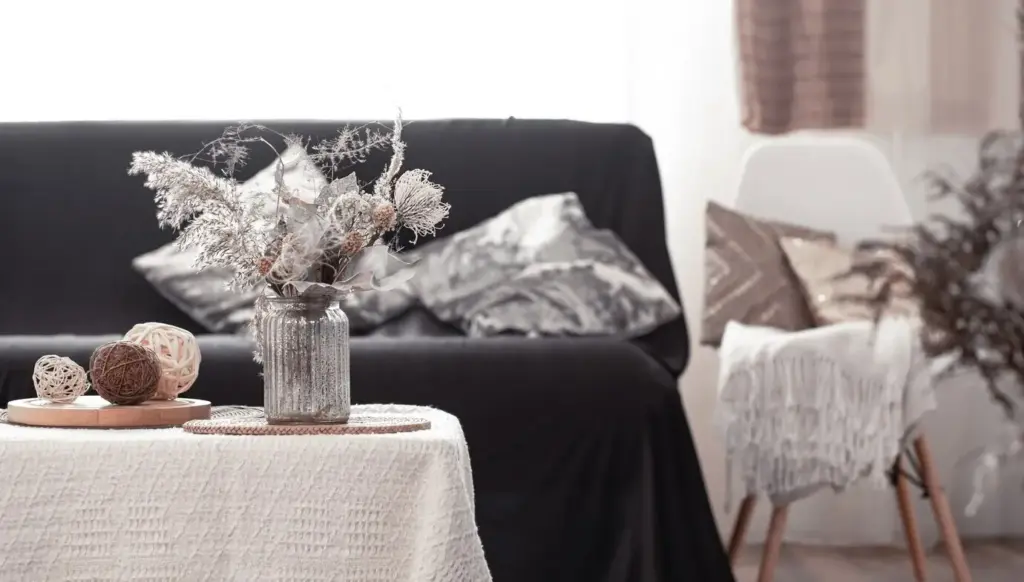
Material choices set the mood and regulate sound. Gentle-grained woods, low-sheen finishes, and soft textiles temper echoes that make compact rooms feel hectic. Choose finishes that invite touch and age gracefully. When surfaces glow instead of glare, quiet luxury becomes palpable, rewarding sunlight by day and lamplight at night with embracing warmth.

Calm Grains, Honest Finishes

Rift- or quarter-sawn white oak, ash, or maple display orderly grain that reads calm in small volumes. Waterborne lacquers or hardwax oils protect without plasticky buildup. Natural patina tells a story over time, softening edges and deepening color, lending assurance that patinated beauty, not perfectionism, governs your everyday surroundings.

Matte Sheen, Subtle Reflection

Keep sheen between five and ten gloss units so light spreads softly, highlighting curves and joinery without harsh reflections. Low glare makes colors richer at night and kinder at dawn. It also hides fingerprints and micro-scratches, preserving dignity under daily use, especially on doors frequently touched by hurried hands.

Quiet Hinges, Felted Touchpoints

Even premium hinges can rattle if neglected. Specify soft-close hardware, felt bumpers, leather pulls, and drawer liners to absorb impact. Rubber gaskets behind finger pulls stop clicks. These minor choices accumulate into a hushed background, letting conversation, music, and quiet thought occupy the foreground where human experience belongs.

Hidden Capacity, Effortless Access

Layered Storage that Thinks for You

Map zones by frequency. Daily essentials belong at shoulder height and arm’s reach; occasional tools can sit lower; archival or seasonal items ride up high. Label elegantly inside doors. In a 260-square-foot studio, this alone cut visible clutter by half and returned an hour each week to mindful pursuits.

Slim Mechanisms, Big Gains

Map zones by frequency. Daily essentials belong at shoulder height and arm’s reach; occasional tools can sit lower; archival or seasonal items ride up high. Label elegantly inside doors. In a 260-square-foot studio, this alone cut visible clutter by half and returned an hour each week to mindful pursuits.

Daily Rituals, Frictionless Flow

Map zones by frequency. Daily essentials belong at shoulder height and arm’s reach; occasional tools can sit lower; archival or seasonal items ride up high. Label elegantly inside doors. In a 260-square-foot studio, this alone cut visible clutter by half and returned an hour each week to mindful pursuits.

Monolithic, Not Monotonous

A single species across doors, panels, and shelves feels monolithic, but subtle grain shifts keep it lively. Consider mitered corners, waterfall edges, or continuous plinths to emphasize volume. Vary widths and heights within a quiet grid so the ensemble feels composed, never monotonous, yet still grounded and serene.

Seams that Disappear

Bookmatch doors where possible and wrap grain around corners to minimize visual interruption. Align stiles with window mullions and shelf breaks with chair-rail heights. Use push latches sparingly, prioritizing intuitive touch points. When seams disappear, the hand notices continuity, and the brain interprets space as larger than its footprint.

Hardware as a Murmur

Hardware should feel like a whisper, not a shout. Choose burnished finishes that mellow with touch, or leather tabs that warm under the fingers. Keep profiles slender and fasteners concealed. The small ritual of contact becomes an intimate pleasure that reinforces understated luxury daily.

Color, Texture, and the Atmosphere of Calm

Atmosphere is a choreography of color, texture, and light. Layer mineral paints, linen, wool, honed stone, and matte metals so the room feels soft yet dimensional. Keep contrasts gentle but intentional, reserving sharper accents for tiny lines. When everything hums quietly together, the space feels larger, brighter, and emotionally grounded.

Planning, Budget, and Collaboration for Lasting Ease

Great results emerge from clear planning and candid collaboration. Measure twice, prototype cheaply, and reserve funds for the touchpoints you’ll notice daily. Share sketches, mockups, and timelines with makers early. When decisions align with intent and budget, stress recedes, craftsmanship shines, and the finished room invites calm for years.

A Clear Roadmap Saves Space and Stress
Establish scope, timeline, and contingency early, then phase work to reduce disruption. Confirm access routes, dust control, and protection for floors. Review shop drawings carefully, checking clearances and hardware calls. The more predictable the process, the easier small homes feel during construction, and the faster serenity returns afterward.

Invest Where It Shows, Simplify Where It Doesn’t

Invest where hands and eyes linger—door fronts, edges, veneer quality, and hardware—while simplifying hidden carcasses with durable, sustainable plywood. Standardize module widths to maximize sheet goods and reduce waste. This approach controls costs while preserving the look, ensuring long-term delight without compromising strength, sustainability, or refined, quiet character.
Petitupopokivolezukuke
Privacy Overview

This website uses cookies so that we can provide you with the best user experience possible. Cookie information is stored in your browser and performs functions such as recognising you when you return to our website and helping our team to understand which sections of the website you find most interesting and useful.