Quiet Luxury, Right-Sized: A Capsule Home for Your Studio

Today we’re exploring curating a quiet luxury capsule furniture collection for studio living, where fewer, better pieces create enduring calm and effortless beauty. We’ll balance material honesty, human comfort, and flexible function, share hard-won lessons from tiny apartments, and invite you to ask questions, swap ideas, and celebrate progress as your studio becomes an elegant sanctuary that feels grounded, personal, and deeply restorative.

Materials That Whisper Quality

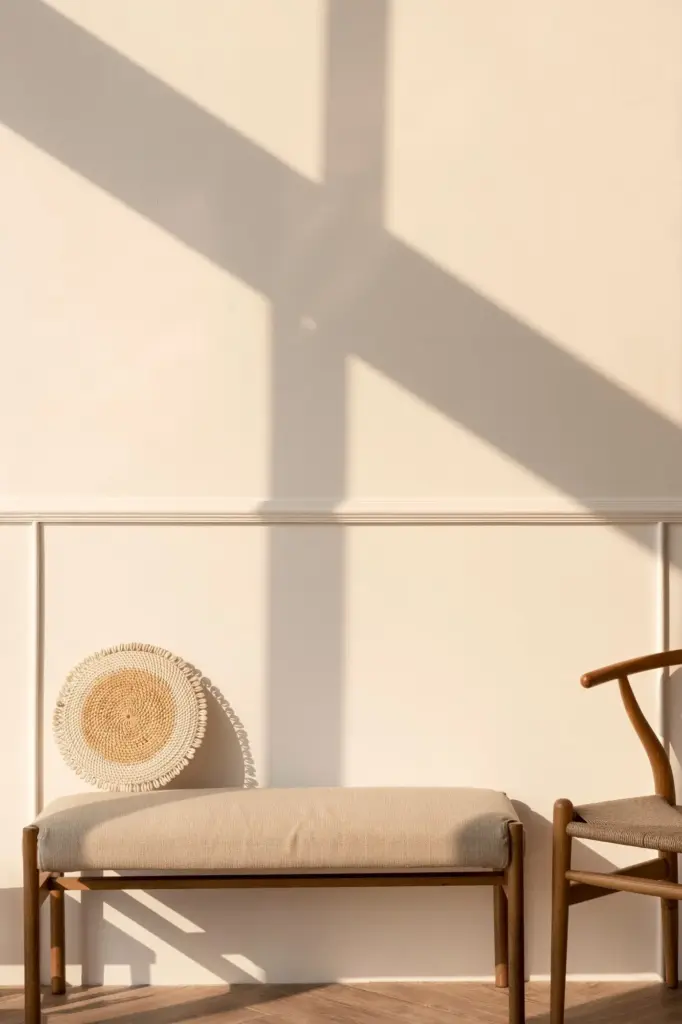
Choose materials that feel honest in the hand and age with dignity: solid oak, walnut, ash, honed marble, linen, wool, and soft aniline leather. A small space magnifies texture, so grain, weave, and finish matter tremendously. I once swapped a shiny veneer console for a slim solid-wood bench; instantly the room felt calmer, warmer, and more grounded, proving quiet luxury is often a tactile decision before a visual one.

Palette and Gentle Contrast

Build a tonal base—warm whites, stone, mushroom, sand, and ink—then add gentle contrast through wood depth, matte metal, and shadow. When color appears, let it be muted and sophisticated, like olive or oxblood, arriving through textiles rather than bulky furniture. This approach creates visual continuity across zones, making your studio read larger, calmer, and more intentional without sacrificing personality or the subtle drama of nuanced light.

Comfort Without Clutter

In a studio, comfort depends on both softness and clarity. Edit relentlessly, choose furniture with internal storage, and honor negative space like a valuable material. A plush wool rug and supportive cushions can coexist with crisp lines and slim silhouettes. The result is a room that welcomes you without overstimulating, where every object has a job and every surface feels purposeful instead of busy or demanding.

The Quiet Luxury Mindset for Compact Homes

Quiet luxury favors substance over spectacle, asking each piece to earn its presence through touch, proportion, and restraint. In a studio, this means celebrating negative space, authentic materials, and soothing layers. Think of your home like a beautifully edited wardrobe: impeccable basics, a few tailored statements, and room to breathe, so your eye can rest and your body can relax after crowded commutes, busy days, and city noise.

Building the Capsule: Fewer, Better, Multi-Purpose Anchors

A capsule collection starts with a handful of anchors that define comfort, utility, and style. Prioritize a sofa or daybed with enduring support, a dining table that doubles as a desk, and a storage piece that hides the everyday. Add small helpers—nesting tables, a sculptural lamp, a quiet accent chair—only after the anchors are right. Many studio dwellers find one exceptional piece outperforms three mediocre stand-ins every single time.

Plan the Flow: Scale, Zones, and Sightlines

Right-Size Every Dimension

Measure meticulously. Leave enough clearance for knees at the dining table, drawers to glide fully, and doors to swing without collisions. A sofa depth around thirty-four inches can feel generous yet compact, while oval or round tables soften movement routes. When scale supports natural behavior—reading, eating, stretching—the room invites ease. Comfort arrives not through excess, but through proportions quietly tuned to everyday gestures and routines.

Define Zones Gently

Create invisible boundaries with texture and light. A wool rug anchors seating, a linen curtain hints at sleep, and a low console frames dining without blocking air or sight. If privacy is needed, a lightweight screen or open shelving unit divides without feeling permanent. These gentle cues support mental clarity, helping your brain switch modes smoothly from focused work to restorative rest and convivial meals with friends.

Protect Light and Air

Keep tall pieces off the windows, favor low profiles nearby, and choose reflective surfaces sparingly to bounce brightness without glare. Sheer, lined curtains soften daylight and add acoustic calm. Glass-topped nesting tables practically disappear when not in use, preserving openness. Align furniture with natural light rhythms—morning coffee near the window, evening reading with a dimmed floor lamp—so the studio breathes like a small, elegant pavilion.

Craftsmanship, Longevity, and Care
Quiet luxury thrives on pieces that endure and improve. Inspect joinery, upholstery foundations, and finishes. Favor repairable constructions and reputable makers, even if you acquire slowly. A short maintenance ritual—vacuuming cushions, brushing wood, conditioning leather—protects texture and tone. Over time, buying less but better reduces churn, waste, and visual noise. Your capsule becomes a reassuring constant, maturing alongside your routines and evolving taste with graceful steadiness.

Texture, Light, and Acoustic Calm
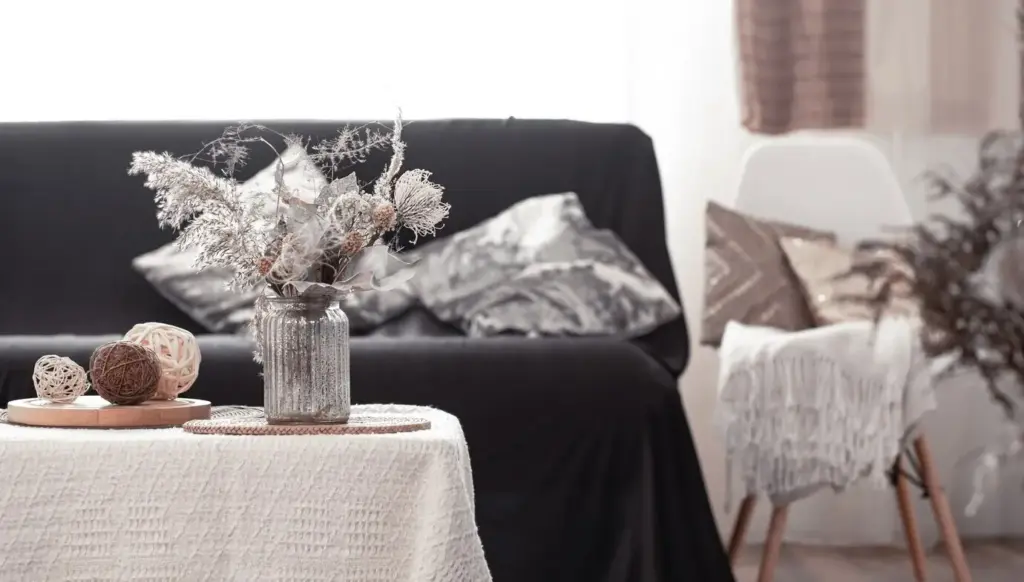
Sensory elegance defines quiet luxury. Layer tactile surfaces that invite touch, orchestrate lighting in distinct moods, and soften sound so conversations feel intimate. In a studio, these elements do double duty: they beautify while shaping behavior and energy. The right rug hushes footsteps, a dimmer quiets evenings, and a linen shade mellows glare. These small interventions accumulate into a space that feels deeply, wonderfully livable every day.

Styling With Restraint: Art, Objects, and Greenery

Finishing touches should amplify serenity, not wrestle for attention. Choose fewer, meaningful pieces, scale them generously, and leave empty space around them like a quiet halo. One large artwork over many small frames, a sculptural vase instead of trinkets, and a single, thriving plant over a dozen starters. Post your experiments, wins, and near-misses; we’ll offer gentle feedback and celebrate the moments your studio suddenly clicks.

One Strong Gesture, Then Breathe

Pick one focal statement and let everything else step back. A substantial canvas, a vintage mirror with character, or a stone lamp on a pared-back table can carry a wall. Edit surrounding surfaces to underscore the gesture. This discipline creates hierarchy and calm, allowing your best pieces to resonate. The result feels intentional rather than sparse, elegant rather than empty, and deeply personal rather than generically styled.

Objects With Stories

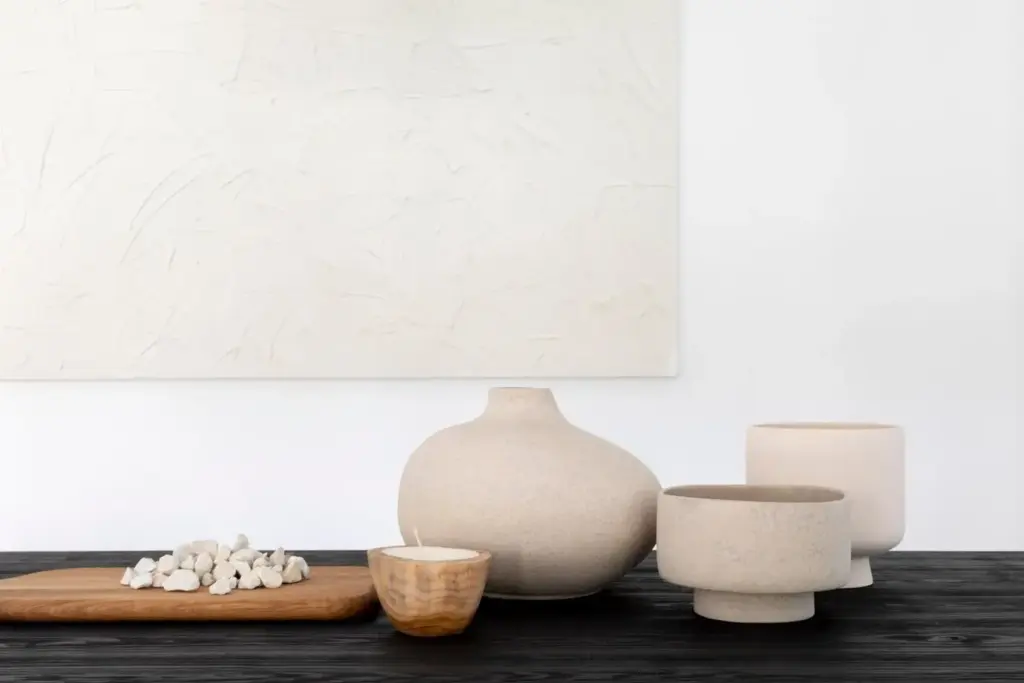
Display things you’ll still love in five years: handmade bowls, travel-worn books, a photograph that centers you. Rotate seasonally to keep the eye fresh and visual noise low. A shallow tray groups items gracefully, turning clutter into composition. Share the origin of your favorite object; readers learn from stories, and your home gains meaning when memories become part of the everyday landscape, held and seen with care.

Living Elements

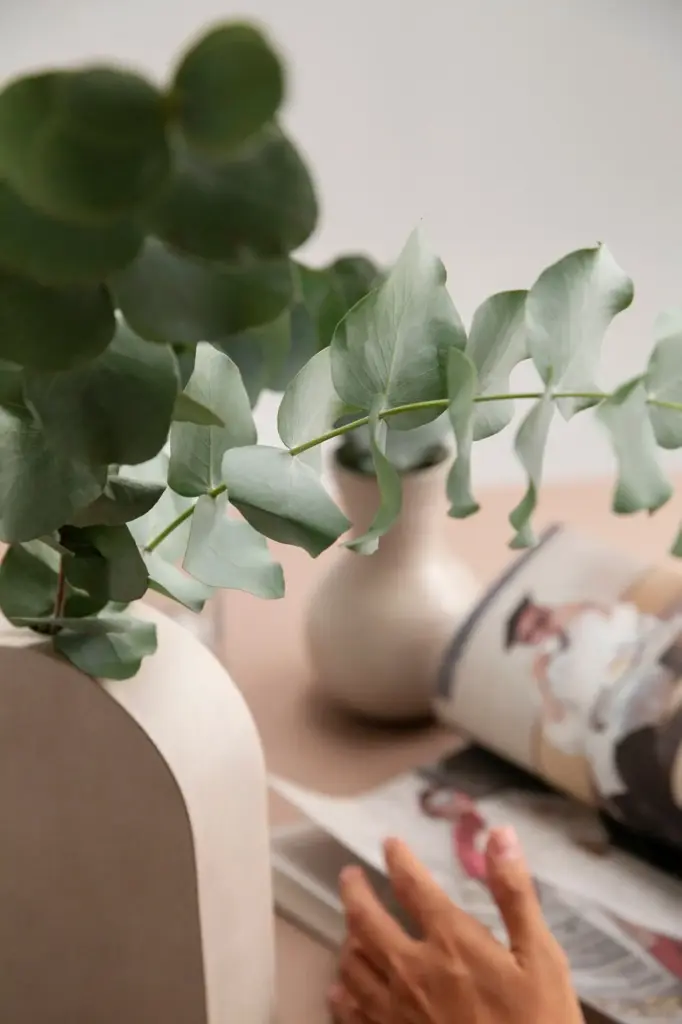
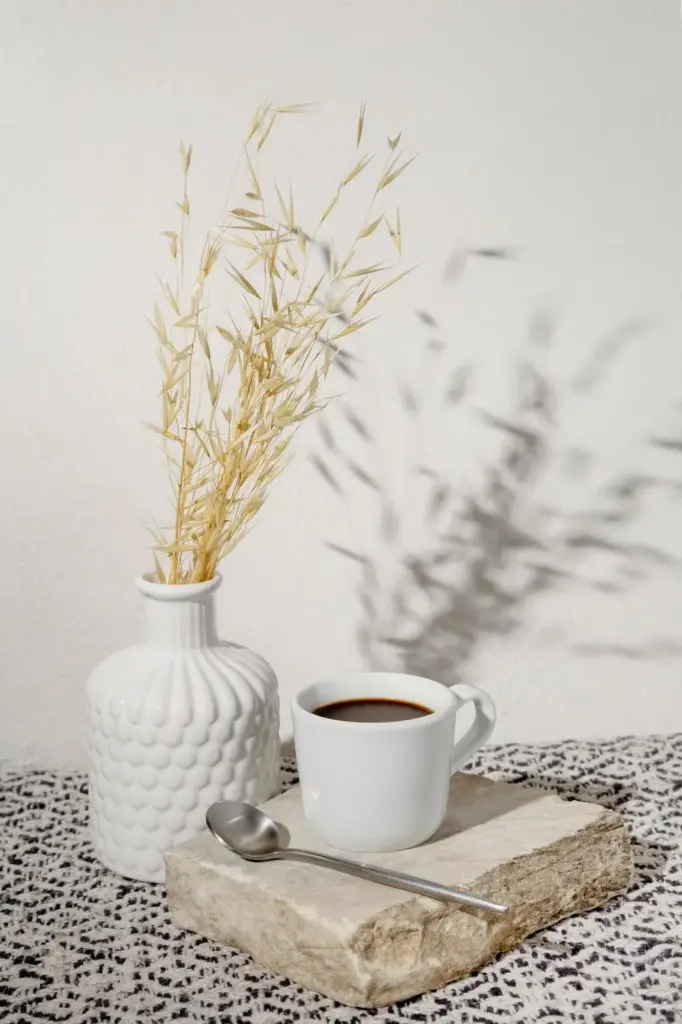
Greenery changes the emotional temperature instantly. Opt for one sculptural plant, a branch in water, or a compact herb you’ll actually use. Choose vessels with weight and texture to ground the composition. Place near light and away from drafts, then watch the room exhale. Tell us what thrives in your exposure; we’ll compile a list of resilient favorites that suit small footprints and quietly luxurious interiors.

Petitupopokivolezukuke
Privacy Overview

This website uses cookies so that we can provide you with the best user experience possible. Cookie information is stored in your browser and performs functions such as recognising you when you return to our website and helping our team to understand which sections of the website you find most interesting and useful.